
keep things simple.Top European restaurant chefs do not become great by accident. There is no magic trick. No secret recipe handed down in a golden envelope. What separates the best from the rest comes down to daily habits, smart choices, and a mindset most people never see. I have spent the past year visiting kitchens across Europe — from tiny bistros in Paris to buzzing restaurants in London and Barcelona. I talked to chefs, watched them work, and asked one simple question: What do you do differently?
The answers surprised me. And I think they will surprise you too.
This article shares what I learned. Whether you dream of becoming a chef, love eating great food, or simply enjoy a good behind-the-scenes story — keep reading. There is something here for everyone.
They Obsess Over Ingredients, Not Recipes
The Market Comes First
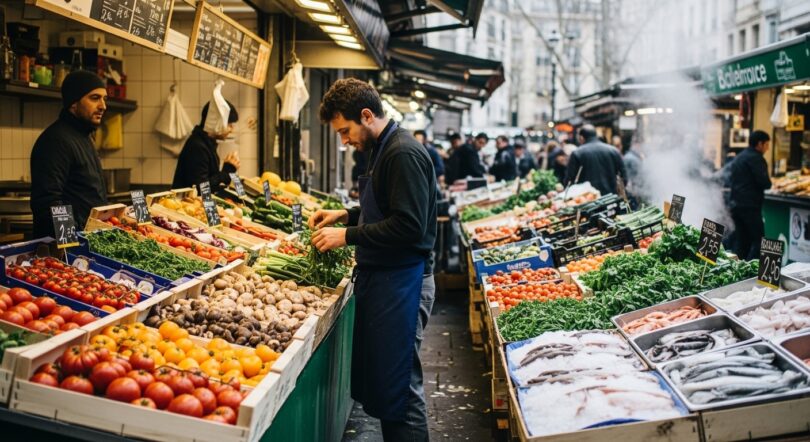
Every great chef I spoke to said the same thing. The food is only as good as what goes into it. That sounds obvious, right? But most home cooks start with a recipe and then buy ingredients. Top chefs do the opposite. They start with the ingredients.
Many of them visit local markets every single morning. Then they decide what to cook based on what looks best that day.
I watched a chef in Lyon, France, change his entire lunch menu because he found perfect white asparagus at the market. That kind of flexibility is rare. But it is what makes the food special.
Seasonal Eating Is Not a Trend — It Is a Rule
For the best chefs in Europe, cooking with the seasons is not a marketing buzzword. It is a non-negotiable rule. They will not serve strawberries in December or pumpkin in May. They wait. And when the right moment comes, the ingredient is at its peak.
This is something we can all learn from, even when cooking at home.
They Keep Things Simple
Here is something that shocked me. The best dishes I tasted across Europe were not complicated. They had three, maybe four main ingredients. That is it.
One chef in Copenhagen told me, “If you need ten ingredients to make something taste good, you are hiding bad food.” That line stuck with me.
Great chefs let one or two flavors shine.
This is actually good news if you are eating on a budget. Some of the most memorable meals in Europe are the simplest ones. A perfect bowl of pasta in Rome. Fresh oysters by the sea in Brittany. A proper fish and chips in London. Simple food, done right, wins every time.
They Never Stop Learning
Travel as Education
Almost every chef I met talked about travel. Not holidays—working trips.
One chef in London told me she spent three months working in a tiny kitchen in Tokyo just to learn how to make better broths. Three months. No pay. Just learning.
That level of dedication is what separates good from extraordinary.
Reading and Research
Many top European restaurant chefs are also serious readers.
They treat cooking as a craft that never stops evolving. And they stay curious their whole careers.
They build strong teams.
The Kitchen Is a Team Sport
Here is a truth that does not get enough attention. No chef, no matter how talented, works alone. Behind every great restaurant is a team of people who show up early, stay late, and care deeply about what they do.
The best chefs I visited were also the best leaders. They did not shout or throw pans.
One sous chef in Barcelona told me, “My head chef remembers my birthday, asks about my family, and trusts me to create dishes.” That is why I have stayed for seven years.”
Good leadership creates loyalty. And loyalty creates consistency. And consistency is what keeps customers coming back.
Mentorship Matters
Many successful chefs trace their careers back to one mentor who believed in them. Angela Hartnett learned from Gordon Ramsay. Clare Smyth learned from Alain Ducasse. The chain of knowledge passes from one generation to the next.
If you are young and dreaming of a career in food, find a mentor. It might be the most important thing you ever do.
They Care About the Full Experience
It Is Not Just About the Food
Great restaurants do not just serve great food. They create an experience. The lighting, the music, the way the waiter greets you, the weight of the fork in your hand — everything matters.
I ate at a small restaurant in Amsterdam where the chef came to every table, shook hands, and explained the menu personally. The food was wonderful. But that personal touch made it unforgettable.
Storytelling on the Plate
The best chefs tell a story with every dish. Maybe it is a childhood memory. Maybe it is a tribute to a region or a season. There is always a reason behind what they cook.
This storytelling is what turns a meal into a memory.
You Do Not Need a Big Budget to Eat Like a King
Now, I know what some of you are thinking. “This sounds amazing, but I cannot afford Michelin-star restaurants. “I hear you. And here is the beautiful thing — you do not have to spend a lot to eat incredibly well in Europe.
Many of the chefs I spoke to actually recommend their favorite cheap spots. They eat at market stalls, neighborhood bistros, and street food vendors on their days off. If it is good enough for them, it is good enough for us.
Tips for Eating Well on a Budget in London
If you are visiting London, here are some honest tips from my own experience:
- Hit the markets early. Borough Market, Maltby Street Market, and Broadway Market have incredible food at fair prices. Many stalls are run by trained chefs who left fine dining to do their own thing.
- Go for set lunch menus. This is one of the best-kept secrets for affordable dining London offers. Many high-end restaurants serve two or three courses at lunch for a fraction of the dinner price.
- Explore South and East London. Peckham, Brixton, Dalston, and Hackney are packed with budget restaurants London locals love. The food is diverse, creative, and wallet-friendly.
- Use deal apps. Apps like Too Good To Go help you grab meals from top restaurants at huge discounts. Perfect for finding cheap food London 2026 visitors will appreciate.
- Follow local food accounts. Instagram and TikTok food bloggers share the best cheap eats in London every week. Follow a few before your trip and build a list.
- Eat where chefs eat. Ask any chef where they go on their night off. The answer is almost never a fancy place. It is usually a family-run spot with huge portions and honest food.
What Home Cooks Can Learn From the Pros
You do not need a professional kitchen to cook like a great chef. Here are a few lessons anyone can use:
- Buy fewer ingredients, but buy the best you can afford. Quality beats quantity every time.
- Taste everything as you cook. Season in layers, not all at once.
- Keep your knives sharp. A dull knife is dangerous and makes cooking harder.
- Clean as you go. Every top kitchen stays organized during service. A tidy workspace makes better food.
- Cook with confidence. Trust your instincts. If it smells good and tastes good, you are on the right track.
A Final Word
The secrets of top European restaurant chefs are not really secrets at all. They are habits. Daily choices. A commitment to quality, simplicity, and constant learning. These chefs wake up every day and choose to be better than yesterday. They respect their ingredients, their teams, and their customers.
And the best part? You do not need a Michelin star to apply these lessons. Whether you are cooking dinner at home, exploring cheap eats in London, or dreaming of opening your own restaurant someday—the principles are the same. Start with great ingredients. Keep it simple. Never stop learning. And always, always cook with heart.
The next time you sit down at a restaurant in Europe, look a little closer. Behind that perfect plate of food is a story of hard work, passion, and a thousand small decisions done right. That is the real secret.
FAQs
1. What makes top European restaurant chefs different from other chefs?
Top European restaurant chefs focus on sourcing the best seasonal ingredients, keeping dishes simple, building strong kitchen teams, and constantly learning through travel and research. Their success comes from daily habits and dedication rather than any single secret technique.
2. Can I eat at top restaurants in London on a budget?
Yes. Many top London restaurants offer affordable set lunch menus that let you experience fine dining at a lower cost. Food markets, neighbourhood eateries, and deal apps like Too Good To Go also provide excellent meals at budget-friendly prices.
3. What are the best cheap eats in London for 2026?
In 2026, some of the best cheap eats in London can be found at Borough Market, Maltby Street Market, and in neighbourhoods like Peckham, Brixton, and Dalston. Street food stalls, pop-ups, and casual restaurants in these areas offer high-quality food at affordable prices.
4. How do European chefs choose their ingredients?
Most top European chefs visit local markets daily and select ingredients based on what is freshest and in season. They build personal relationships with farmers, fishermen, and suppliers. The menu often changes based on what is available that day.
5. What can home cooks learn from professional European chefs?
Home cooks can learn to prioritise ingredient quality over quantity, taste food throughout the cooking process, keep knives sharp, maintain a clean workspace, and cook with confidence. These simple habits are used in the best professional kitchens across Europe and work just as well at home.